

The Origins and Evolution of Loteria
Loteria, a classic game of chance, traces its roots back to Italy in the 15th century, where it was originally used as a pastime and lottery. Over the centuries, it evolved and spread through Europe, eventually making its way to Mexico in the 1760s. In Mexico, Loteria became deeply embedded in the culture, reflecting its people's traditions and daily life. One of the earliest versions of Loteria in Mexico was played using beans or stones and simple cards hand-painted with images, each representing aspects of daily life or elements of the natural world.
A Game with Deep Cultural Significance
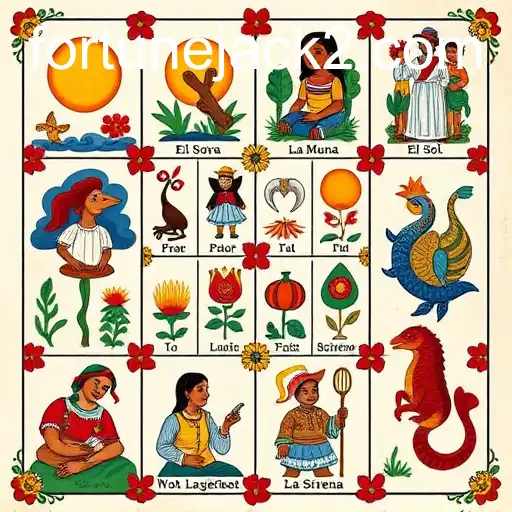
Beyond mere entertainment, Loteria is culturally significant, often used as a tool for storytelling and cultural education. The vibrant images on each card reflect Mexican idiosyncrasies and society's rich tapestry. For instance, cards like 'El Sol,' 'La Luna,' and 'La Sirena' depict elements of fantasy and nature, capturing the imagination of players and reflecting historical beliefs. Therefore, playing Loteria is not just about winning; it's about connecting with one's heritage and celebrating the colorful narratives of Mexican folklore.
The Mechanics of the Game
The game's simplicity makes it accessible to many different audiences. It can be played with as few as three people or in large groups at festivals and family gatherings. Each player receives a board with a 4x4 grid, filled with a selection of images. A caller draws a card from the deck, announcing its name, often accompanied by a witty or rhymed phrase that adds an element of humor and intrigue. Players must then match the drawn card's image with those on their board, using markers to indicate matches. The first player to complete a pre-determined pattern shouts 'Loteria!' and wins.
The Role of Art in Loteria Cards
The art on Loteria cards can be considered an educational tool. Each card is numbered and labeled, featuring vivid imagery that sparks curiosity and conversation. These images are not static; they have evolved, especially with modern interpretations that infuse contemporary societal themes and artistic styles. The original hand-painted cards are considered works of art, and their creation has been passed down through generations, maintaining traditional methods while also embracing innovation.
The Rise of Loteria in the Digital Age
With technological advancements, Loteria has been elevated to digital platforms, allowing it to reach a global audience. Websites like 9f.bet.br offer a digital version of Loteria, opening the door to virtual gatherings and tournaments. Players worldwide can now participate, connect, and compete, thereby introducing Loteria to a new generation and ensuring its continued relevance and appeal.
Maintaining Traditions in Modern Times
Even as Loteria adapts to modern technology, it continues to preserve its essence and charm. Artists and game developers strive to retain the game’s cultural significance while integrating innovative features that attract both seasoned players and newcomers. Contemporary Loteria games often include customizable decks, allowing players to create unique experiences reflective of their communities and personal stories.
Loteria's Impact Beyond Borders
The influence of Loteria extends beyond Mexico's borders, contributing to the dissemination and appreciation of Mexican culture globally. Many educational institutions use Loteria for language teaching, as the game is an engaging method to introduce new vocabulary and cultural concepts. The adaptability of the game's format allows it to be tailored to different educational needs, fostering a deeper understanding and respect for cultural diversity.
Concluding Thoughts on Loteria's Legacy
Loteria exemplifies the enduring power of cultural games. It offers a bridge between the past and future, tradition and modernity, entertainment and education. Whether played in its traditional form with hand-painted cards or on digital platforms like 9f.bet.br, Loteria remains a beloved activity that captivates and brings people together in celebration of history, art, and collective enjoyment.